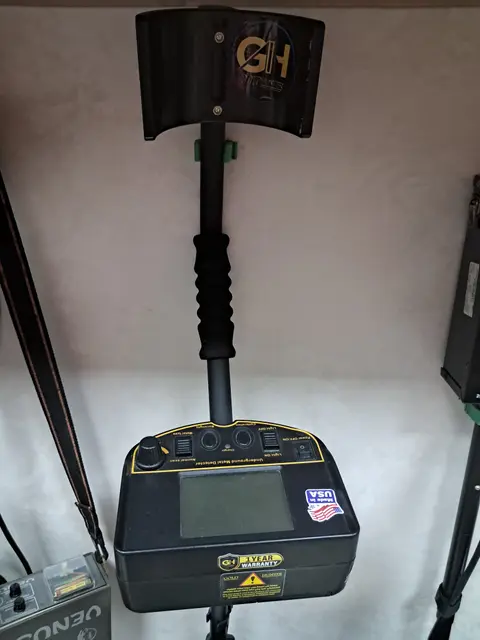
Two people with the same detector rarely find the same things. The difference is technique: how they sweep, how they locate a target and how they recover it. This guide covers the habits that make the biggest difference, from the first swing to the filled hole.

Before you start
- Check the settings: ground balance, sensitivity, and a discrimination level you understand. See our guide to ground balance.
- Test on known targets: bury a coin, a nail and a small piece of gold or a ring in a known place, and listen to how each one sounds at different depths.
- Bring the right tools: a pinpointer, a solid digging tool, a finds pouch, a bag for rubbish, water and a charged battery.
- Have permission for the land, and keep away from protected sites. See the law in Morocco.
Sweeping correctly
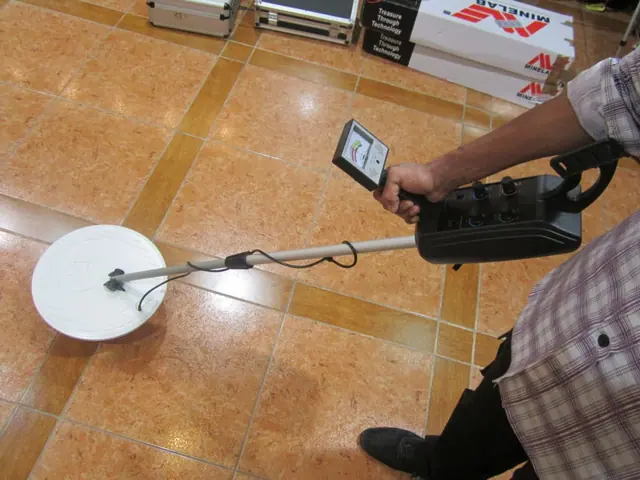
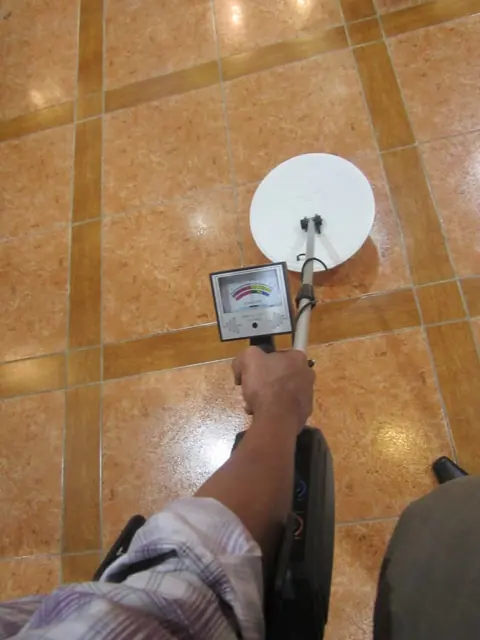
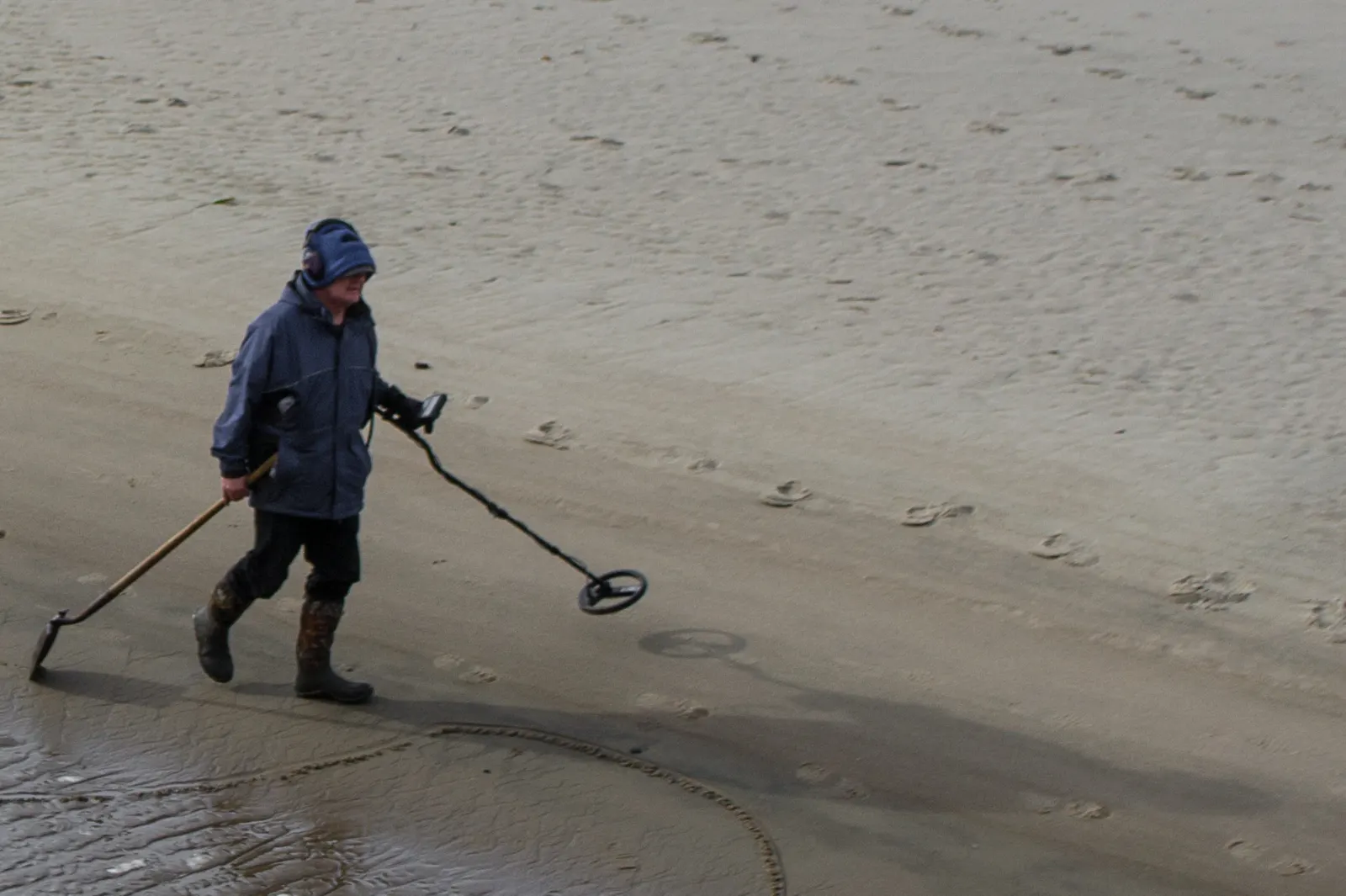
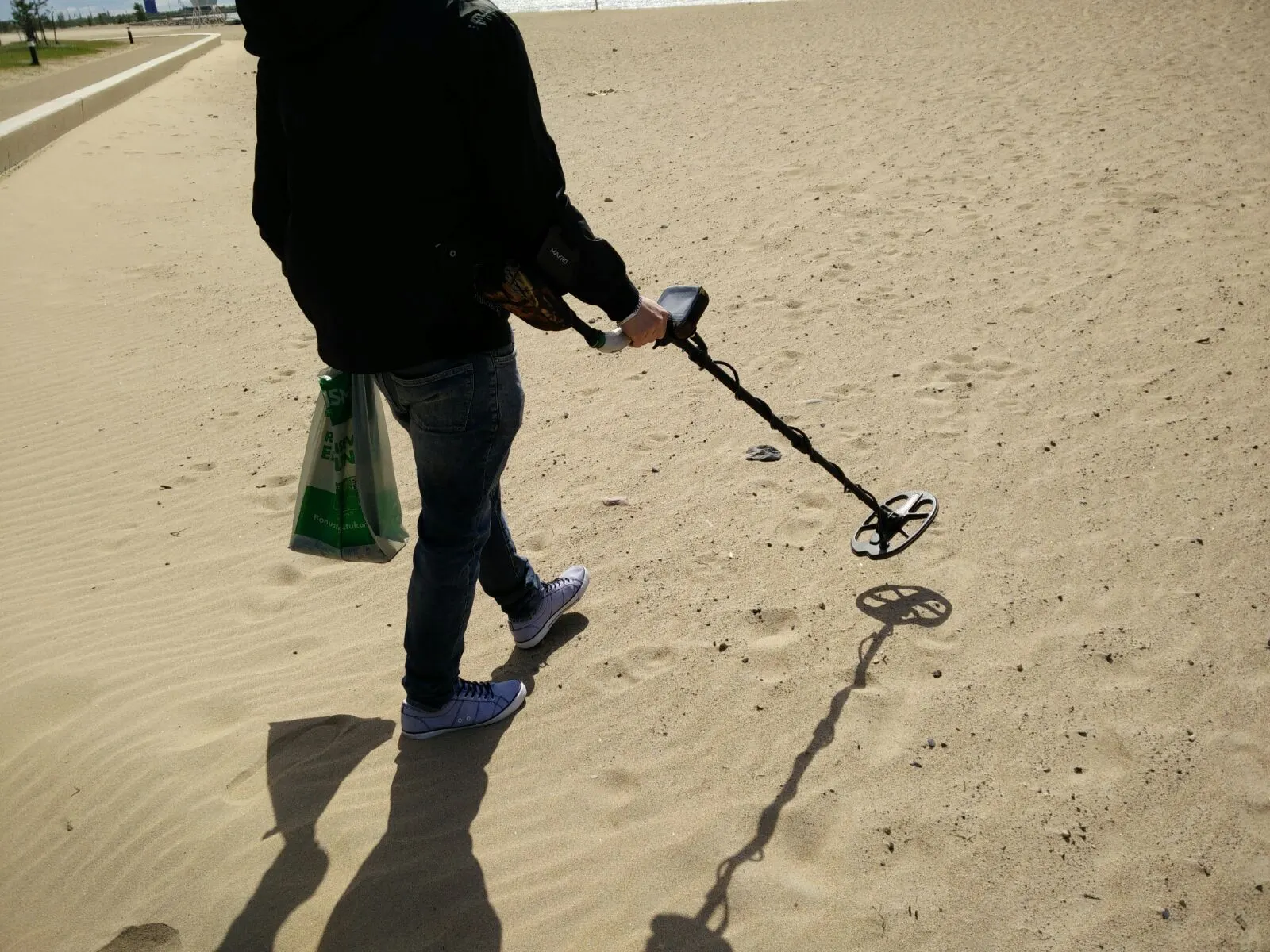
- Keep the coil parallel to the ground during the whole swing. Lifting it at the end of the sweep, like a pendulum, loses depth on both sides.
- Keep it low: about 2 to 3 cm above the ground, without scraping.
- Sweep slowly and steadily: about one metre per second is a good starting point. Too fast and weak signals are missed.
- Overlap each sweep by about half the coil width as you step forward, so no strip of ground is left unsearched.
Searching a site methodically
Random wandering covers the same ground twice and misses the rest. Instead:
- Mark a grid with stakes, string or GPS, and search it in parallel lanes.
- Search again at 90 degrees: some targets sound much clearer from a different direction.
- Note your finds on a sketch or in a GPS app. Clusters show where activity took place.
Identifying a good signal
- A good target usually gives a repeatable signal from both directions.
- Iron often gives broken, scratchy or double tones, or a target ID that jumps.
- A signal that disappears when you raise the coil slightly is often a small or shallow object; a signal that stays wide may be a large or deep one.
- When in doubt on mineralised ground, dig: some of the best finds give imperfect signals.
Pinpointing with the detector
The X method
- Sweep over the target from left to right and note the point of the strongest signal.
- Turn 90 degrees and sweep again, from front to back.
- The target lies where the two lines cross.
Pinpoint mode
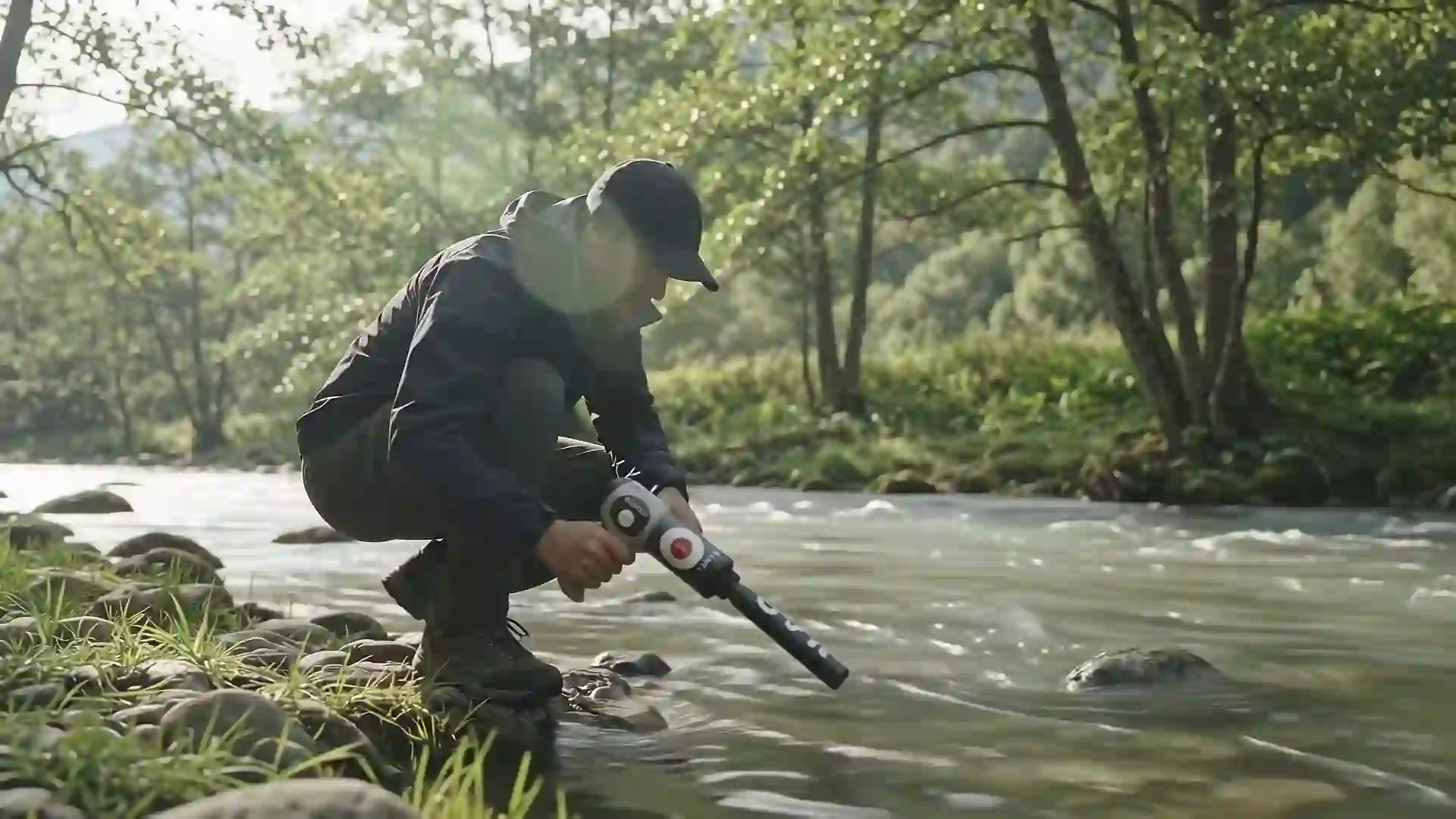
Most detectors have a pinpoint button that turns the detector into a static mode: the sound becomes louder as the centre of the coil approaches the target. Move the coil slowly in a cross pattern and mark the loudest point with your foot or a tool.
Recovering the target cleanly
- Cut a neat plug in turf or soft ground, a flap or a circle of about 15 to 20 cm, leaving one side attached so it can be folded back.
- Place the soil on a mat or cloth beside the hole, so nothing is lost and the site stays clean.
- Use the pinpointer in the hole and in the removed soil. It saves time and prevents scratching the object with the tool.
- Check the hole again with the detector after recovery: objects often come in pairs.
- Refill the hole, replace the plug and press it down. The ground should look untouched.
Handling finds
- Do not clean coins or old objects aggressively: you can destroy their value and their historical information.
- Keep small gold in a sealed tube.
- Declare any object that looks old or historical, as required by law.
- Take all metal junk with you: it leaves the site cleaner for the next search.
Common mistakes
- Sweeping too fast, and lifting the coil at the end of the swing.
- Digging a large hole before pinpointing.
- Forgetting to recheck the hole.
- Changing settings constantly instead of learning one configuration well.
- Leaving holes open, the fastest way to lose access to land.
Summary
Slow, low, overlapping sweeps, a methodical grid, careful pinpointing and clean recovery: these habits find more targets and keep landowners happy. A pinpointer is the single accessory that saves the most time. Browse our pinpointers and detectors, or ask us for advice on your terrain.