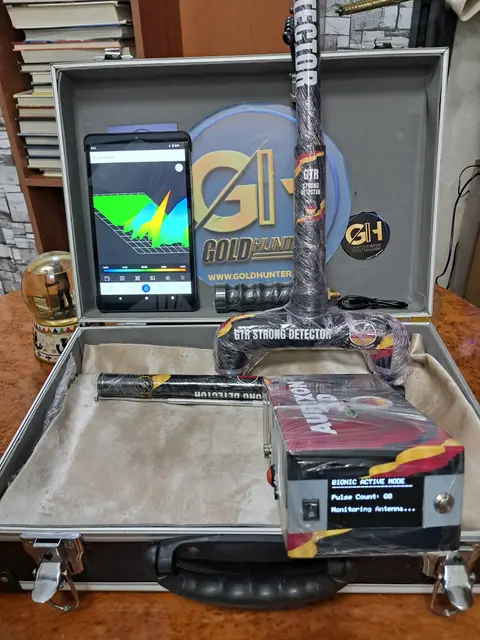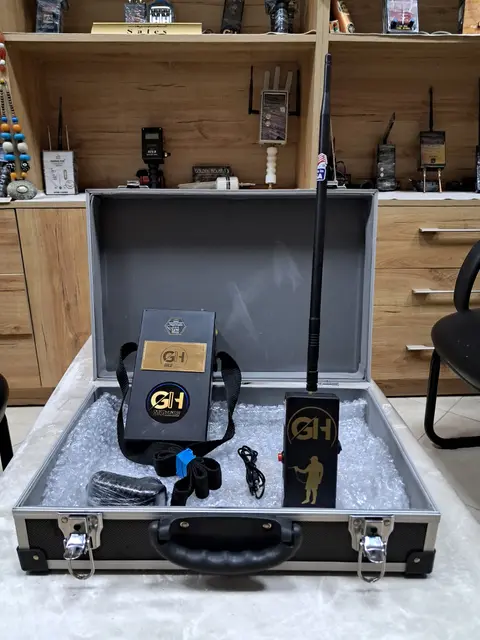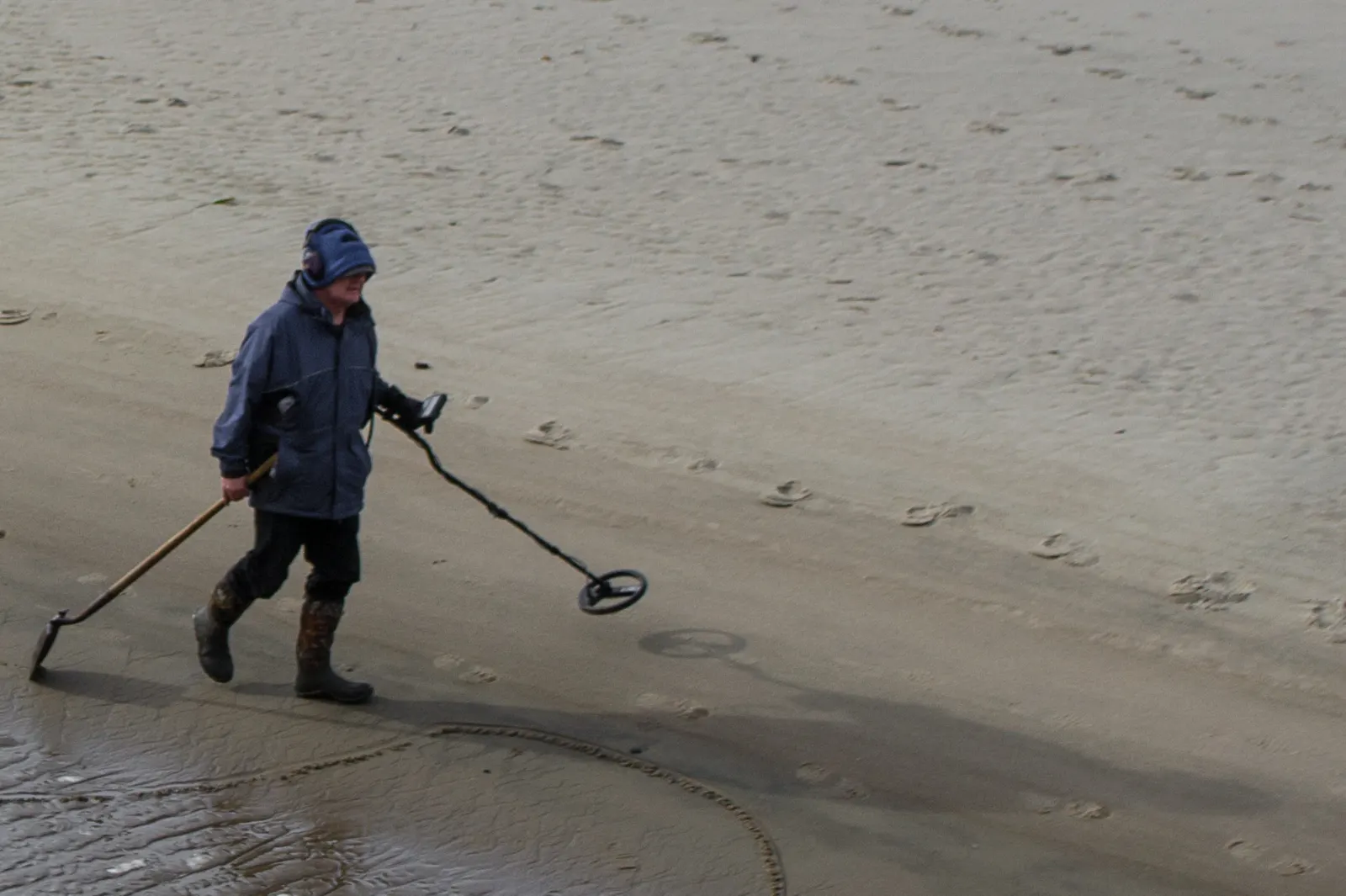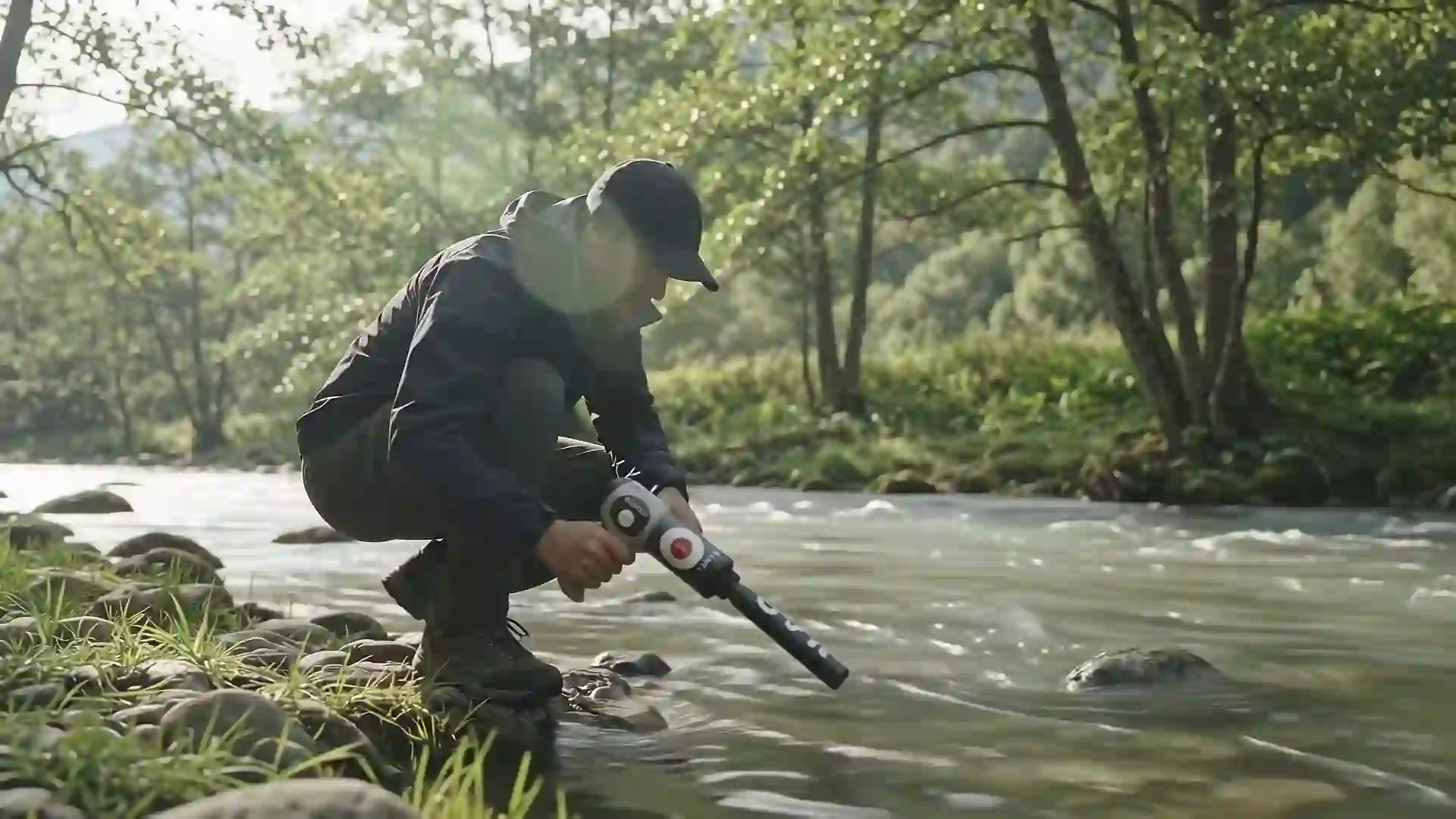
Owning a metal detector is legal in Morocco. What you do with it is what the law looks at: where you search, what you dig up and what you do with it. This article summarises the main rules in plain language. It is not legal advice; when in doubt, ask the local authorities or a lawyer before you start.
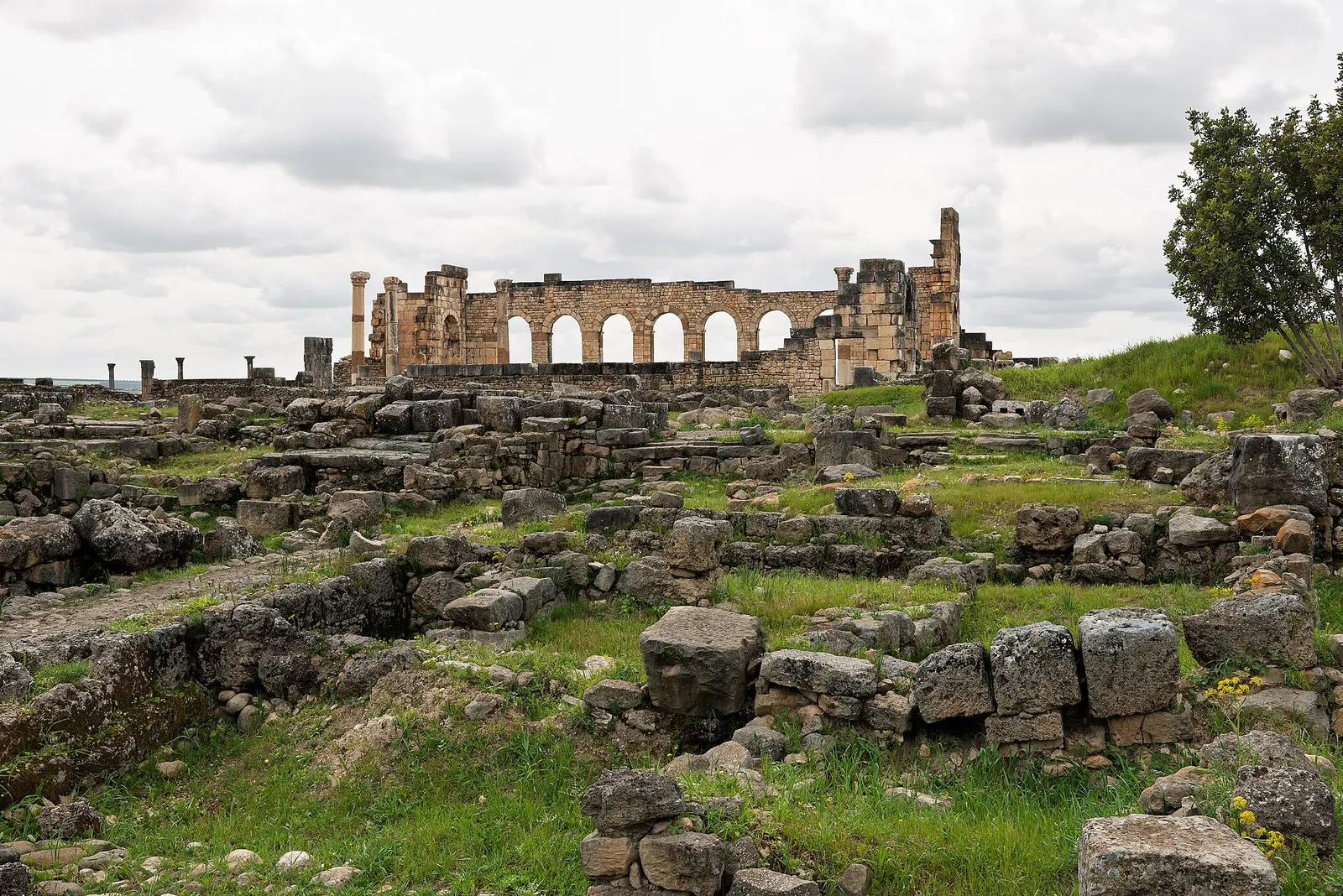
1. Archaeological heritage is protected
Morocco protects its historical monuments, sites and antiquities under Law 22-80 on the conservation of historical monuments, sites, inscriptions, art objects and antiquities, and its implementing texts.
In practice, this means:
- Searching or digging on archaeological sites, historical monuments and their protected zones is forbidden without authorisation.
- Archaeological excavations require an authorisation from the ministry in charge of culture.
- A chance discovery of objects of archaeological or historical interest must be declared to the authorities. Such objects cannot simply be kept or sold.
- Exporting antiquities without authorisation is prohibited.
If your detector signals near ruins, old walls, tombs or ancient pottery scattered on the surface, stop. The context of an object, where it lies and what surrounds it, is what allows historians to understand it. Once dug out without method, that information is lost forever.
2. Gold and minerals are governed by the mining law
Mineral substances, including gold, are governed by Law 33-13 on mines. Prospecting, exploring and extracting minerals require mining titles issued by the administration. Many areas with known mineralisation are already covered by permits held by companies.
- Detecting for leisure on land where you have permission is different from mining, but digging extensively, moving material with machines or selling the gold you extract enters the field of mining regulation.
- Never enter a mine, a quarry or a concession without the operator’s agreement: beyond the law, abandoned workings are dangerous.
3. Private and collective land
Most land has an owner, whether private, collective (lands of ethnic communities) or public. Before searching:
- obtain the agreement of the owner or of the community representatives, ideally in writing;
- agree in advance what happens if you find something of value;
- respect crops, fences and animals, and fill every hole.
Entering someone else’s land without permission can lead to complaints and penalties, whatever you find.
4. Protected areas and the environment
National parks, forests under the forestry administration and some natural sites have their own rules. Digging can be restricted or forbidden there. Check with the park or forestry office before searching.
5. Water and drilling
If you are searching for water, remember that wells and boreholes are governed by Law 36-15 on water and generally need an authorisation or declaration with the river basin agency. See our guide on how to find groundwater.
6. A simple code of conduct
- Ask permission, every time.
- Stay away from archaeological sites, monuments, cemeteries and military zones.
- Declare any object that looks old or historical.
- Fill your holes and take your rubbish, and any metal junk you dig up, with you.
- Do not use a detector at night on land that is not yours: it invites misunderstandings.
- Be discreet and courteous with local residents and authorities.
Frequently asked questions
Do I need a licence to own a detector? Owning and buying a detector does not require a special licence. The rules concern where and how you search and what you remove.
What if I find coins? Modern coins can be kept if you have the landowner’s permission. Old coins and historical objects must be declared.
Can I sell gold nuggets I find? Extracting and trading gold falls under mining and precious-metals regulation. Ask the administration before any sale.
Summary
The detector is not the issue; the site and the find are. Search only where you are allowed, keep away from heritage, declare historical objects and respect mining titles. Responsible detecting protects your hobby and the country’s history. Read our terms of sale, which include a commitment to lawful use.