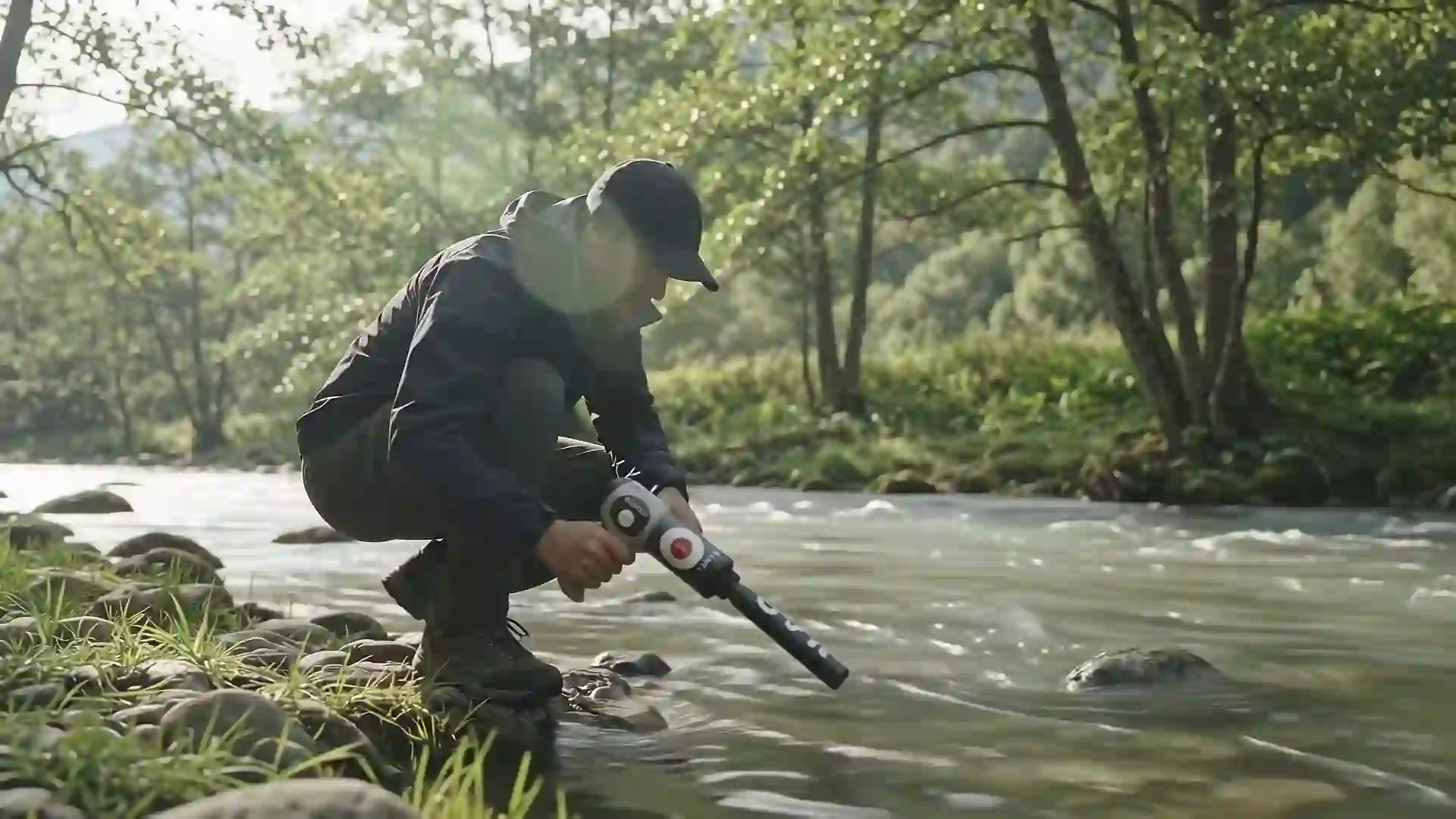
Gold is rare because it forms only in particular geological conditions. Knowing those conditions will not replace fieldwork, but it tells you where it makes sense to look and why some terrains are more promising than others.
How gold deposits form
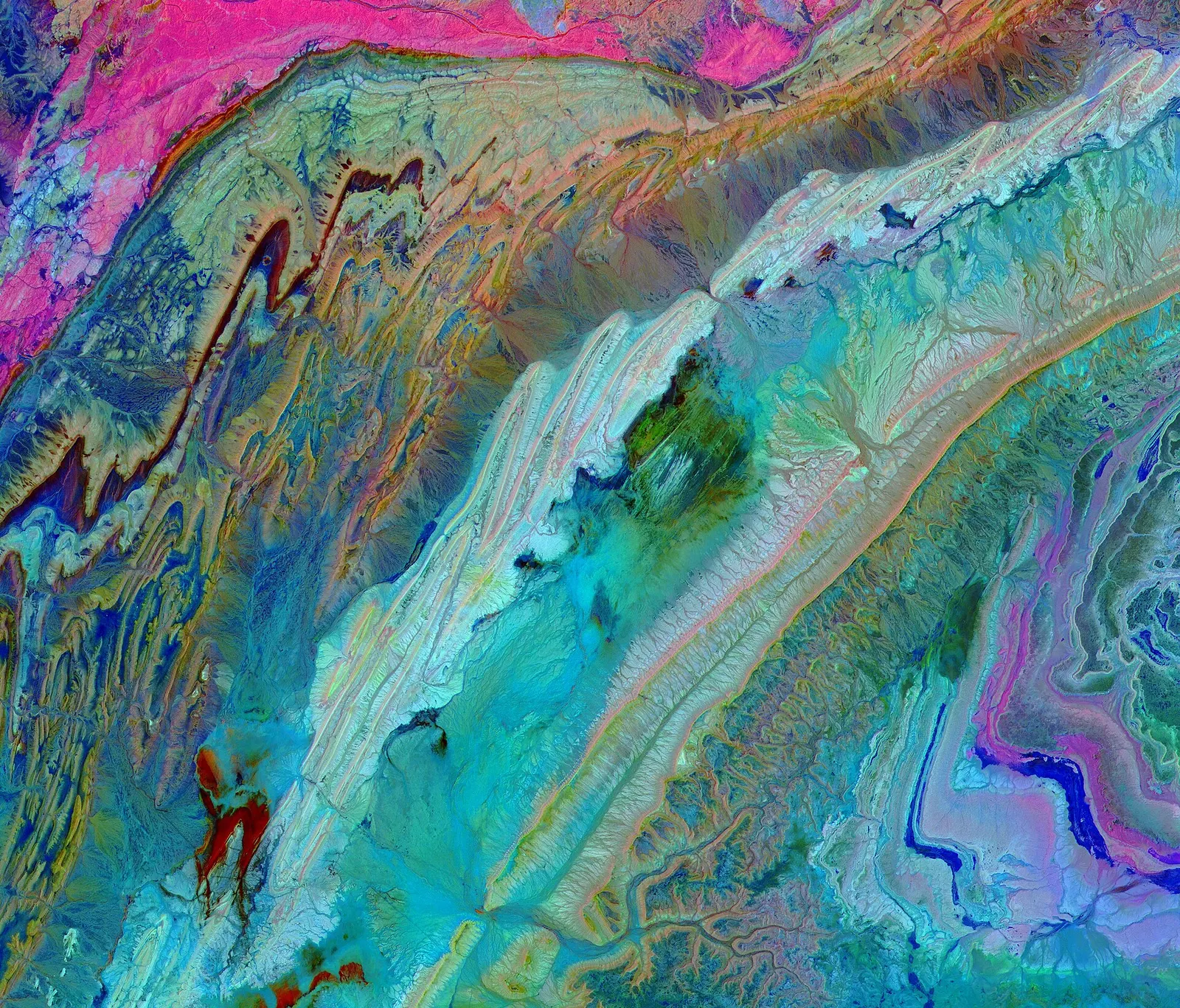
Most gold was carried by hot fluids deep in the Earth’s crust. When these fluids moved through fractures and cooled, or reacted with the surrounding rock, they deposited quartz and, sometimes, gold. Geologists group the resulting deposits into a few families:
- Orogenic (vein) gold: formed during mountain building, when fluids rose along large faults and shear zones. Gold sits in quartz veins, often with sulphides such as pyrite and arsenopyrite.
- Epithermal gold: formed close to the surface above volcanic systems, at lower temperature, often with silver.
- Placer gold: eroded from veins and concentrated by water in river gravels, because gold is much heavier than other minerals. This is the gold panned in wadis.
Morocco’s geological setting
Morocco combines very old and very young geology.
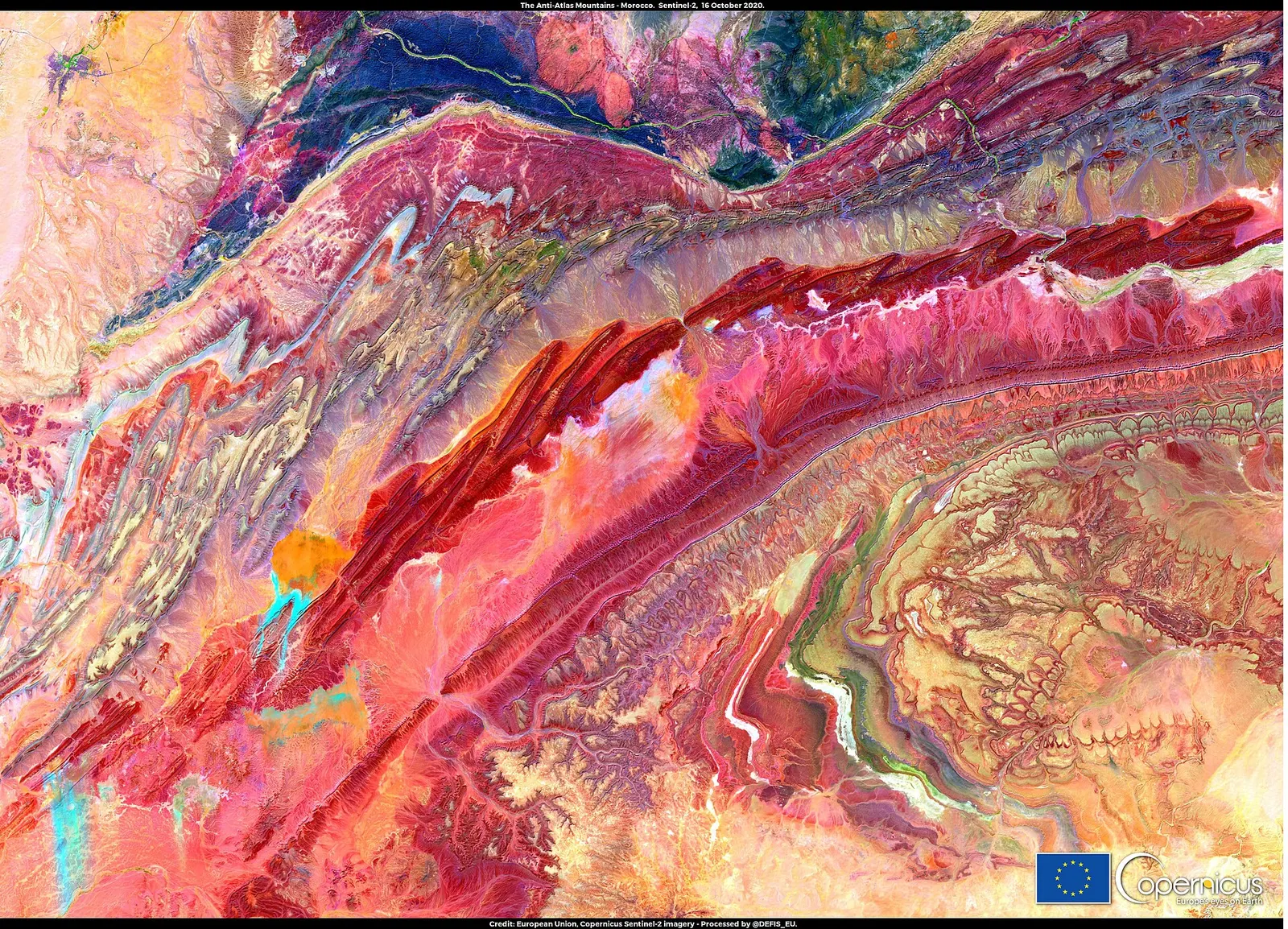
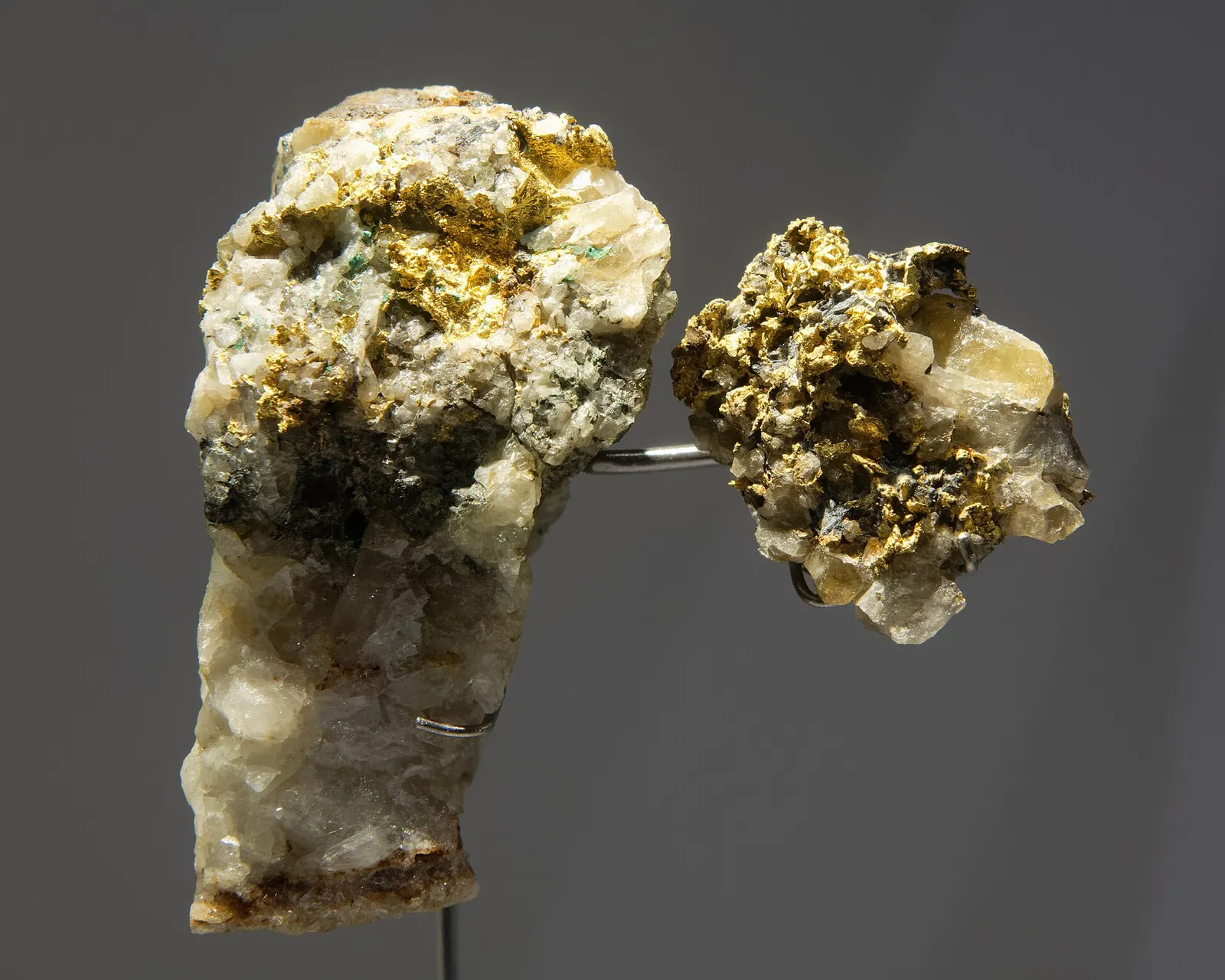
- The Anti-Atlas exposes some of the oldest rocks in the country, Precambrian basement in inliers such as Bou Azzer, Kerdous, Ifni, Siroua and Saghro. These rocks were deformed and intruded by granites and volcanic rocks, the kind of history that creates metal deposits.
- The High and Middle Atlas are younger mountain ranges, with mostly sedimentary rocks and some volcanic areas.
- The Meseta and the eastern regions contain Palaeozoic terrains with their own mineral deposits.
The Anti-Atlas hosts important metal mines. The Imiter mine in Jbel Saghro is known worldwide for silver, Bou Azzer for cobalt, and gold has been mined in the region, for example in Jbel Saghro and in the western Anti-Atlas. This concentration of deposits is a sign of fertile geology, but it also means that much of the area is covered by mining titles.
Signs a geologist looks for
- Quartz veins, especially rusty or broken quartz with cavities where sulphides have weathered away.
- Alteration zones: rocks bleached, reddened or softened by past fluids.
- Iron oxides such as limonite and goethite, the “rust” left by weathered sulphides.
- Faults and shear zones: the pathways the fluids followed.
- Old workings: ancient pits, trenches and slag heaps show where earlier miners found something, but they are also often protected heritage.
Placer gold in wadis
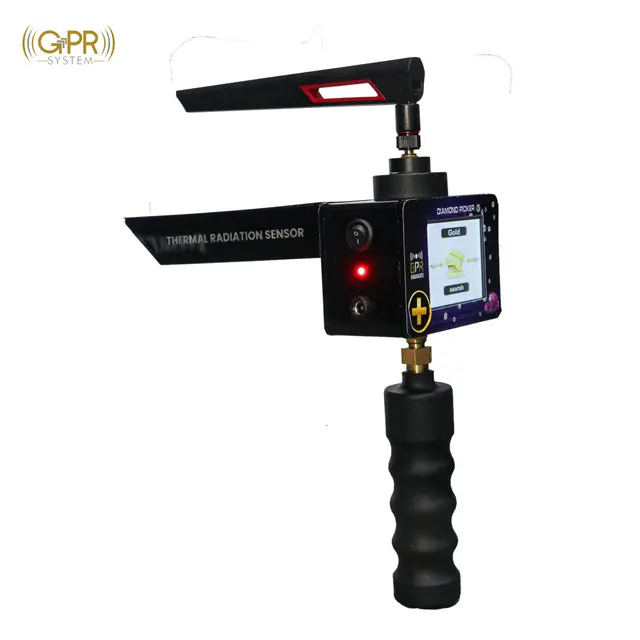
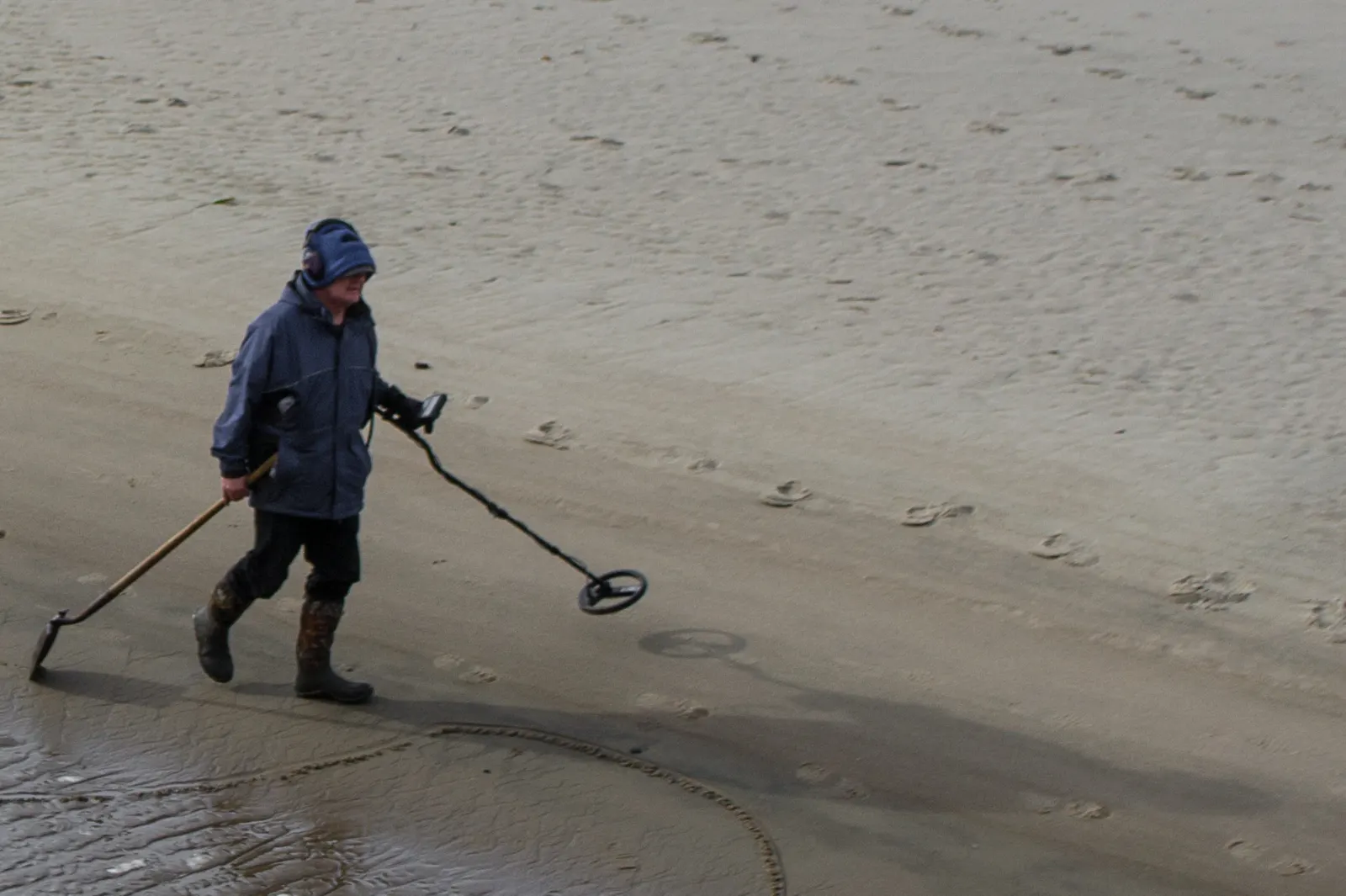
Where veins erode, gold travels downstream and settles where the water slows: on the inside of bends, behind large boulders, in cracks of the bedrock and at the base of gravel layers. Panning samples along a wadi and noting where gold appears is the traditional way to trace a deposit upstream. For detecting, placer nuggets are usually small, which calls for a sensitive gold detector. See VLF versus pulse induction.
Satellite images help, fieldwork decides
Alteration minerals and iron oxides have spectral signatures that satellites can map over large areas. Our article on satellite imagery for prospecting explains how. These maps point to zones worth visiting; only samples and field measurements confirm them.
Prospect within the law
In Morocco, mineral substances are governed by Law 33-13 on mines. Exploring for or extracting gold requires a mining title issued by the administration, and many promising areas are already under permit. Recreational detecting on land where you have permission is a different activity from mining, but digging, removing material and selling gold are regulated. Read our article on the law in Morocco before you go.
Summary
Gold follows faults, quartz and fluids. The ancient rocks of the Anti-Atlas explain why southern Morocco attracts prospectors, and wadis downstream of veins can hold placer gold. Learn the geology, use satellite images to choose zones, confirm in the field and respect mining titles and heritage.